
Apps and customer experience
Make your subscription cancellation message useful
Apple now lets app publishers show retention messages during cancellation. Start with accurate product details and check whether the message helps customers decide.
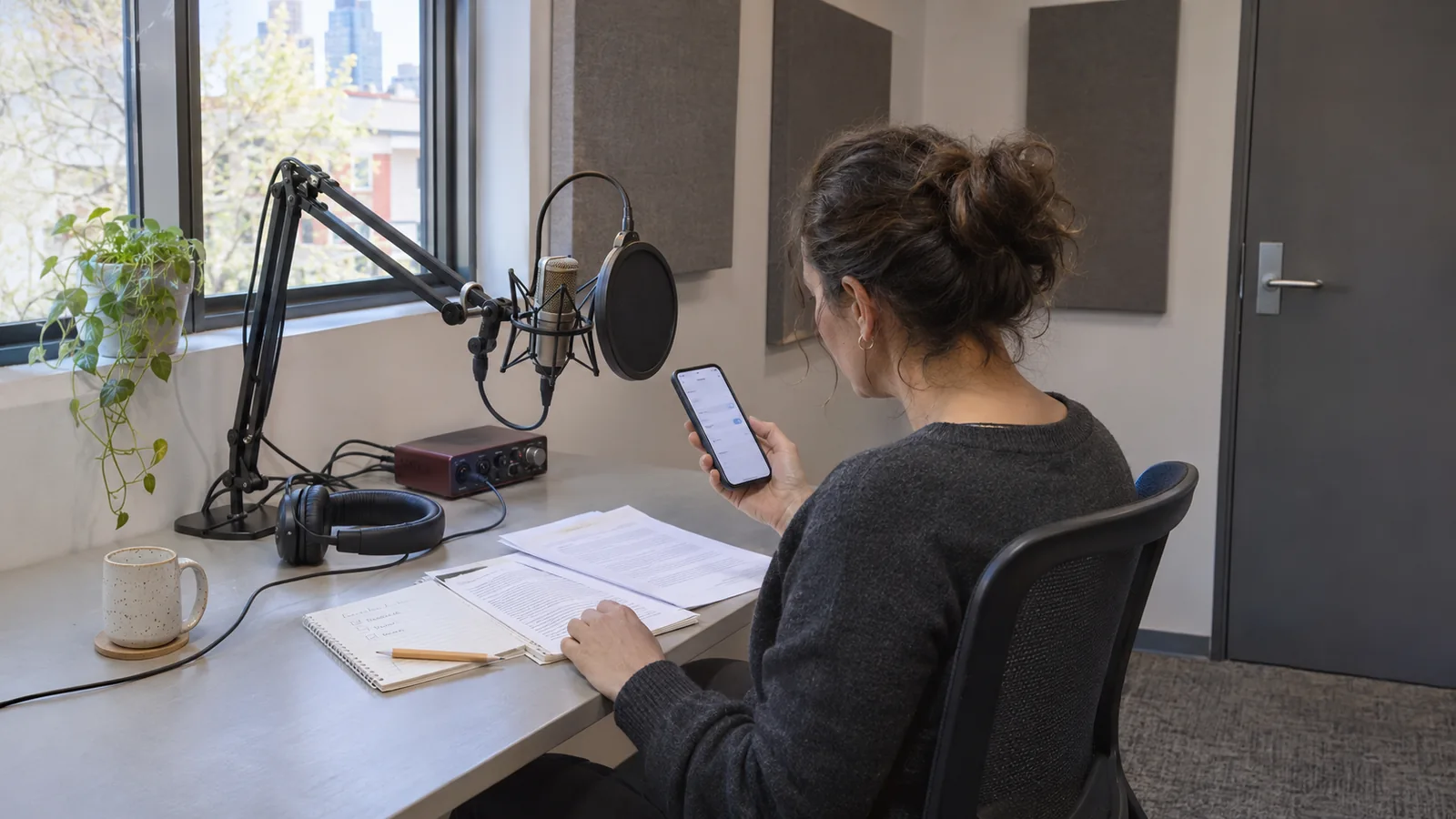
A customer opens the subscription settings for your language-learning app. They have finished the lessons they wanted and are deciding whether to keep paying. A message about lessons they have not discovered might help. A vague promise about transforming their life gives them little to work with.
What has Apple changed?
Publishers can add a message to the cancellation flow
On 4 November 2026, Apple announced that retention messages were available for auto-renewable App Store subscriptions. Publishers can configure text, an optional image or an offer in App Store Connect, with controls for eligibility and timing. Apple also describes an API for choosing messages using subscription details, with access available by request.
Apple presents the feature as a way to reduce cancellations. That is its intended purpose, not evidence that a particular message will retain your customers. The immediate task for a small publisher is to decide whether it has something useful and accurate to say.
Apple’s announcement of retention messages for subscriptions4 November 2026
Start with the reason someone might leave
Our interpretation is that this update makes the final subscription message worth reviewing alongside the rest of the customer experience. It is a small part of that experience. If people cannot find the lessons they need, better wording at cancellation will leave that problem unresolved.
Consider a fictional publisher that records short language lessons for travellers. Some subscribers finish a course and no longer need it. Others may not know that the app contains listening exercises for a different level. Those situations call for different product decisions.
Review a few recent support enquiries and any cancellation reasons customers have chosen to share. Keep observations separate from guesses. A quiet month of app use does not tell you why a person is leaving, and a discount does not establish that price was the problem.
Check the message against the product
In the language-app example, an owner might draft: “Your subscription includes listening exercises for everyday conversations, with transcripts you can read as you practise.” That sentence is illustrative copy. Publish it only if those features are available in the subscription being described.
Check the current app on an ordinary phone. Can someone find the exercises? Are the transcripts present and usable? A feature mentioned in a planning document may still be missing from the version customers have installed.
Apple separates general text from subscriber-specific offers
Apple’s configuration guide says the message text is shown to subscribers who may not qualify for an offer. It therefore prohibits specific prices, discounts and promotional offers in the header or body text. An associated offer is configured separately.
The guide also requires accurate, relevant content and discourages coercive claims and unsupported outcomes. Its preview tool lets publishers inspect a message with an offer or with no offer selected. Check both states before submitting the message for review.
Apple’s retention-message configuration and content guidanceReviewed 9 November 2026
Use AI for a draft you can check
If you use an approved AI writing tool, give it a short list of verified features and ask for two plain-language drafts. Keep customer names and private account details out of the brief. Specify that it must not invent features, savings, results or upcoming release dates.
Compare each sentence with the current product. A phrase such as “new lessons every week” creates a commitment your publishing schedule may not support. Remove it unless that is an accurate, maintained part of the service.
Ask a colleague unfamiliar with the draft what they think the message promises. Their answer can reveal ambiguity that a spelling check misses. Have a person approve the final wording and retain the approved version with its review date.
Look beyond the first decision to stay
For a small trial, record when the message went live, which subscription it applied to and what else changed that week. Review the available subscription reports alongside support enquiries and what your team can reliably observe about subsequent use.
A customer choosing to stay once is only one observation. Where your reporting allows it, check whether those customers remain subscribed at a later renewal and whether the feature you mentioned is being used. If an offer is involved, consider the revenue received after the discount as well.
Small numbers can be misleading. A handful of renewed subscriptions is a reason to keep watching, not proof that the message caused the result. Record gaps in the data rather than building a confident story around them.
What can you do this week?
- Confirm which subscriptions are sold through the App Store and who can manage their customer-facing messages.
- Choose one subscription and write down the features its current customers can actually access.
- Draft one short message and check every claim against the released app. Get a colleague to explain what they think it means.
- Preview the relevant message states, review the wording on a phone and follow Apple’s submission process.
- Set a review date and record the customer feedback and subscription measures you will examine before changing the message again.
Use the findings to improve the service
Repeated confusion about the same feature may justify changing onboarding or the app’s navigation. Customers who finish a course may need a clearly described next course, if one exists. Others may have completed what they came for.
Keep a record of the changes you try and the feedback behind them. As the lesson library grows, review the subscription description, app listing and cancellation message together so they continue to describe the same service.
How Context Aware can help
We can review the path from your app listing through sign-up, everyday use and subscription settings. That includes checking whether product descriptions match the released app and whether customers can find the features you mention.
For a small publisher, we can scope a focused review of one subscription, prepare clear copy and work with the team on implementation and measurement. The next change should follow what that review finds.
Sources and research notes
Apple’s dated announcement and current configuration guide are linked beside the product claims above. The language-learning publisher is a fictional example. The suggested review process and use of AI for drafting are our recommendations, not reported customer results.
Our 9 November research also covered OpenAI’s news, Anthropic’s newsroom, Google Search Central updates and an older Hacker News discussion of OpenAI pricing. These did not supply claims for this article. Direct access to OpenAI’s X profile returned 403; search results did not provide a current relevant discussion we could verify.
Prepared by Context Aware with AI assistance and linked primary sources. Examples are illustrative. How we write our insights.